
How to Solve Property and Roof Damage After Snow Melt Before It Becomes Expensive


When winter ends, many property owners breathe a sigh of relief. The snow has melted, the ice is gone, and warmer days are ahead. However, what many homeowners don’t realize is that snow melt can quietly expose hidden damage to roofs and property structures.
As snow accumulates throughout winter, it adds significant weight and moisture to your roof. When temperatures rise and the snow begins to melt, that trapped moisture can seep into vulnerable areas. Without early detection, small issues can quickly turn into costly repairs.
Understanding how to solve roof and property damage after snow melt is the key to protecting your investment before problems become expensive.
Why Snow Melt Causes Roof and Property Damage
Snow on its own is not always the biggest threat. The real danger begins during the freeze-and-thaw cycle.
When snow melts during the day and refreezes at night, water can expand inside cracks and small openings. This repeated expansion weakens shingles, flashing, seals, and gutters. Over time, this creates entry points for moisture.
Common snow melt risks include:
Ice dam formation along roof edges
Water backing up under shingles
Weakened flashing around vents and chimneys
Gutter separation and drainage issues
Exterior wall moisture intrusion
Even if your roof looks fine from the ground, hidden damage may already be developing beneath the surface.
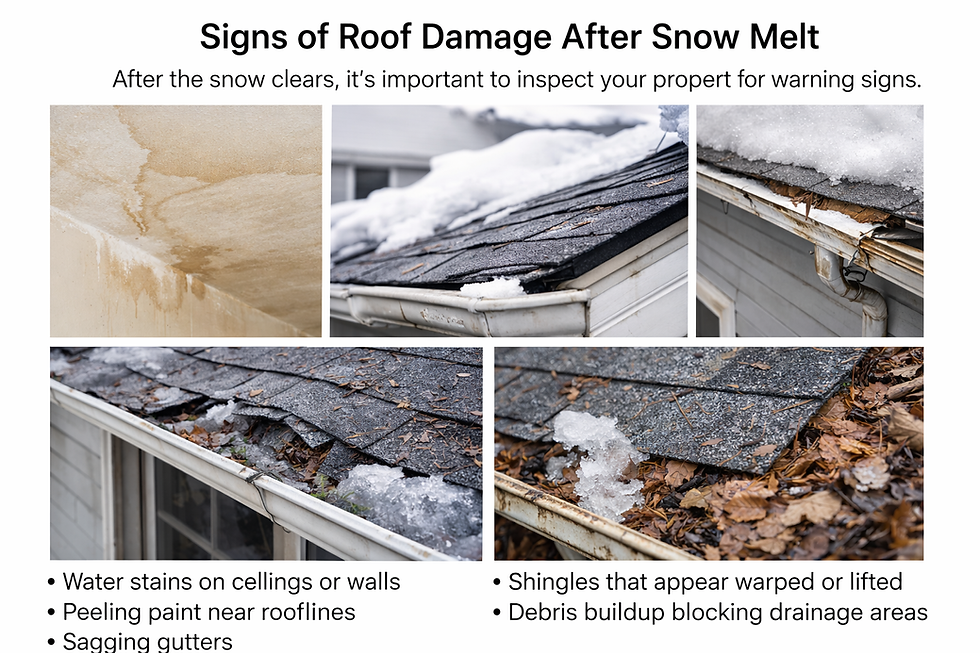
Signs of Roof Damage After Snow Melt
After the snow clears, it’s important to inspect your property for warning signs.
Look for:
Water stains on ceilings or walls
Peeling paint near rooflines
Sagging gutters
Shingles that appear warped or lifted
Debris buildup blocking drainage areas
Sometimes, damage is subtle and not immediately noticeable. That’s why early inspection is critical. Waiting until leaks become obvious can lead to insulation damage, mold growth, and structural repairs.
The Cost of Ignoring Post-Winter Damage
What begins as a minor issue after snow melt can escalate quickly.
Moisture that enters your roofing system can:
Damage underlayment and decking
Soak insulation, reducing energy efficiency
Cause interior drywall deterioration
Promote mold growth inside attic spaces
Shorten the overall lifespan of your roof
The longer the damage remains undetected, the more expensive the repairs become. In many cases, early intervention can mean a simple repair instead of a full roof replacement.
How to Solve Roof Damage Before It Becomes Expensive
The solution starts with early detection and proactive inspection.
Schedule a Professional Inspection
Once snow has completely melted, schedule a roof inspection to assess potential damage. Identifying weak areas early prevents water infiltration during spring rains.
Address Drainage Issues Immediately
Clear gutters and downspouts of debris. Proper drainage prevents water from pooling near the roofline or foundation.
Repair Minor Damage Quickly
Small cracks, loose shingles, or flashing issues can often be repaired quickly and affordably if caught early.
Monitor Attic Spaces
Check for moisture, damp insulation, or signs of leaks in your attic. Early attic detection can prevent interior damage.
Why Drone Inspections Are Ideal After Snow Melt 🚁
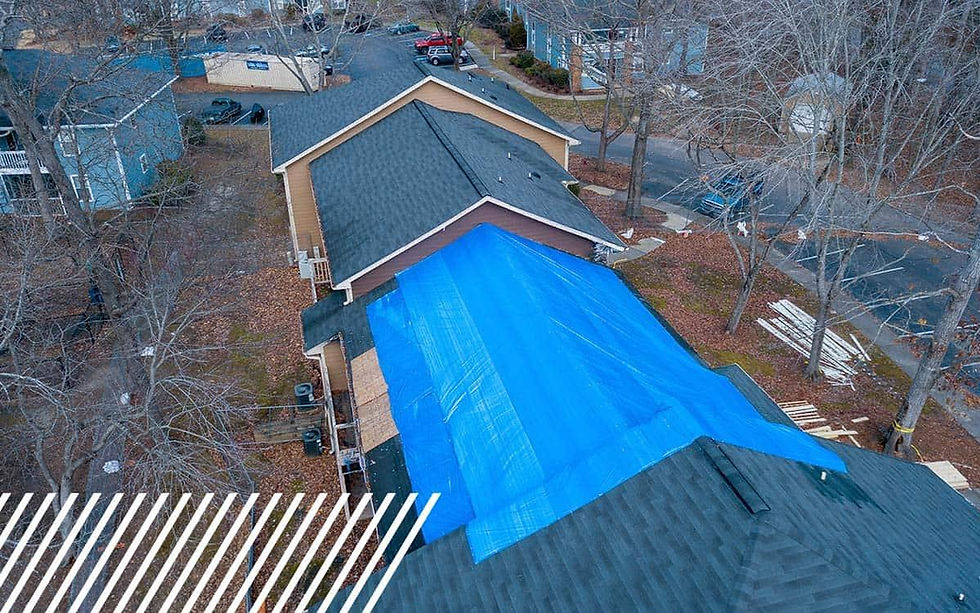
Climbing onto a roof after winter can be risky. Surfaces may still be slick, weakened, or unstable.
Drone roof inspections provide a safer and more efficient solution.
With high-resolution aerial imaging, drones can:
Detect lifted or damaged shingles
Identify flashing separation
Spot drainage blockages
Capture detailed documentation for insurance purposes
Access steep or multi-story roofs safely
Thermal imaging technology can also reveal trapped moisture beneath roofing materials, helping identify hidden issues before visible leaks occur.
Instead of risking injury or causing additional roof stress, drone inspections offer a fast and precise assessment of post-winter damage.
When Should You Schedule a Snow Melt Inspection?
It’s best to schedule an inspection once snow has fully cleared and temperatures remain consistently above freezing.
Property owners should prioritize inspections if:
Heavy snow accumulation occurred during winter
Ice dams formed along the roof edge
The roof is older or nearing the end of its lifespan
Water stains appeared during winter
Being proactive in early spring can save thousands in potential repair costs later in the year.
Final Thoughts: Protect Your Property Before Small Problems Grow
Snow melt may signal the end of winter, but it often marks the beginning of hidden roof and property damage.
Taking immediate action after snow clears ensures small issues are addressed before they become expensive structural repairs. Early inspection, proper drainage maintenance, and professional evaluation are key to long-term property protection.
By using modern inspection methods like drone technology, homeowners and property managers can gain clear visibility of their roof’s condition without unnecessary risk.
The best way to avoid expensive repairs is simple: identify and solve the damage early.


Comments